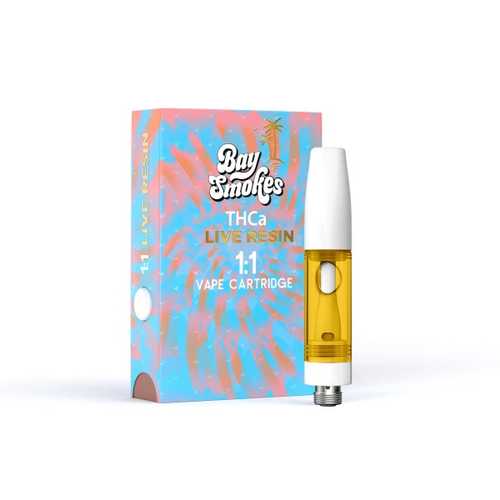
Vape culture has taken vape cartridge toronto by storm, with enthusiasts and novices alike flocking to the city's dispensaries in search of the perfect vaping experience. If you're navigating through the smoky mist of options, eager to find a vape cartridge that suits your taste, this ultimate guide is tailor-made for you. We'll walk you through everything you need to know about vape cartridges, from understanding the different types to choosing the right one for your needs.
What are Vape Cartridges?
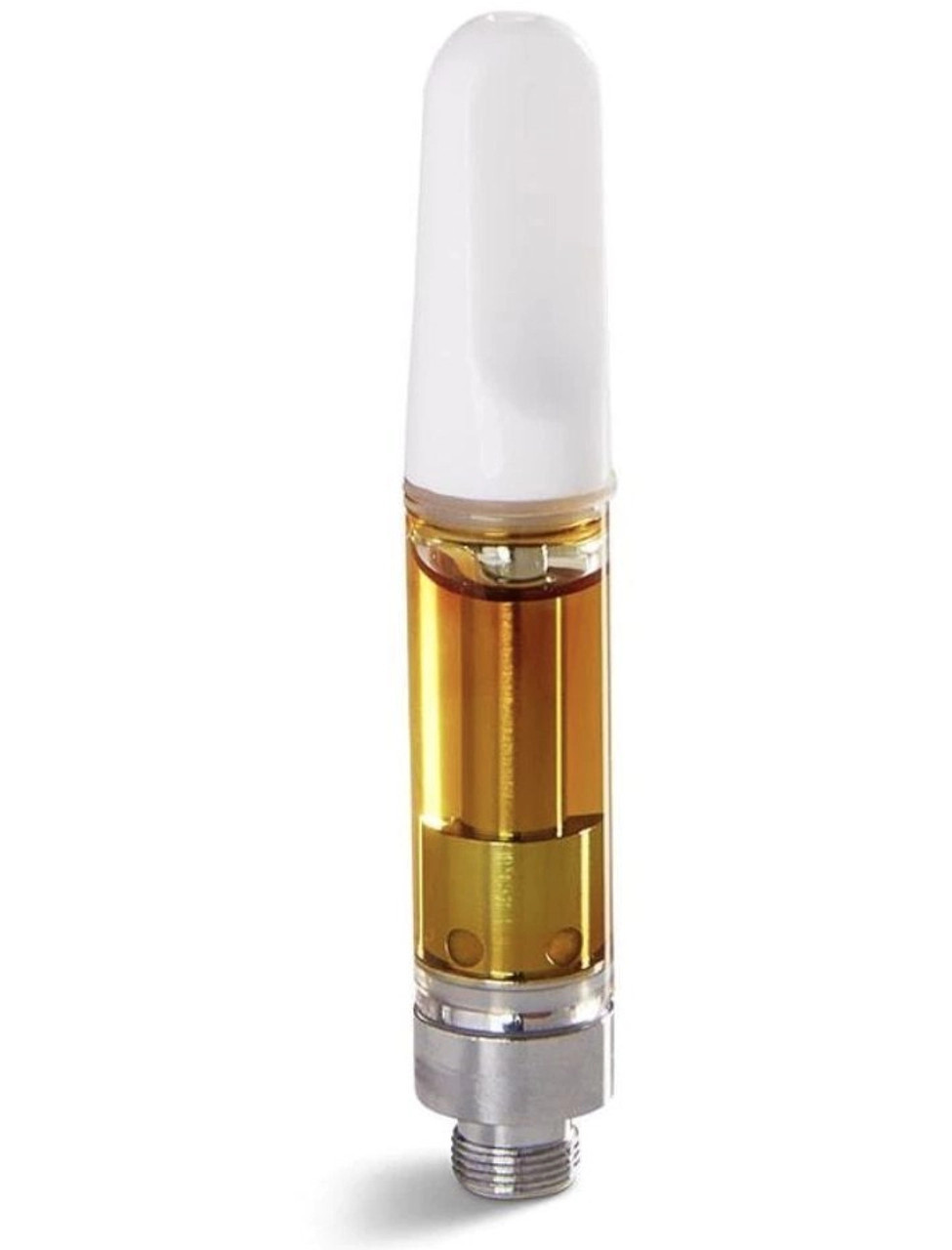
Vape cartridges, also known as vape tanks, are the heart and soul of the vaping experience. Housing the vaping oil, these sleek, portable accessories are revolutionizing the way we consume our favorite strains. But with great diversity comes a greater need to understand what you're buying, and the Toronto market is no exception. From disposable e-cigs to refillable tanks, the city's vape cartridge offerings are as varied as the city's cultural landscape.
The Types of Vape Cartridges
Understanding the types is essential because each serves a different purpose and caters to different preferences:
Standard vs. 510 Threaded
The threading of a cartridge is vital because it determines compatibility with your battery. Standard cartridges typically come pre-filled and are not meant for refilling, while 510-threaded cartridges can be refilled or replaced. Make sure to match your cartridge with the correct battery thread to avoid frustration at checkout.
Refillable vs. Prefilled Cartridges
Refillable cartridges provide the versatility to mix and match your oils, while prefilled cartridges offer convenience and a lesser need for maintenance. Deciding between them is mainly about your desire for customization and the effort you're willing to put into your vaping setup.
Choosing the Right Vape Cartridge
With the various types out of the way, here’s how to select the perfect vape cartridge in Toronto:
Consider the Oil Quality
The vape oil within the cartridge makes a significant difference. Opt for high-quality oils that have been tested and are free of additives like propylene glycol (PG) and vegetable glycerin (VG) if you're looking for a pure experience.
Know Your Coil Material
The heating element, or the coil, is what converts the oil into vapor. There are different coil materials, including ceramic, quartz, and titanium. Ceramic is known for better flavor, quartz for quick heating, and titanium for durability. Keep these distinctions in mind when making your purchase.
Think About the Viscosity
Vape oils come in various viscosities, which can affect the performance of your cartridge. Thin oils work well with wick tanks, while thicker oils may need a cartridge with larger intake holes or a ceramic heating element to keep the flow smooth.
Brands and Reputation
Since the market is unregulated, it's crucial to buy from established brands with a good reputation for product consistency and customer service. Try to gather information from online forums and reviews to ensure the brand stands up to its claims.
Legal Considerations and Sources
Toronto has numerous licensed dispensaries where you can purchase vape cartridges legally. Be sure to check the legal status of the product and the store, and always buy from a reputable, licensed supplier. Not only does this support safe consumption, but it also keeps you on the right side of the law.
Maintenance and Safety Tips
Once you've made your purchase, proper maintenance and safety can enhance your vaping experience and keep your equipment in good shape:
Storage and Temperature
Store your vape cartridges in a cool, dark place away from direct sunlight to avoid degradation of the oil. Extreme temperatures can also cause the oil to separate or become too runny, affecting your vapor quality.
Cleaning Your Cartridge
If using a refillable cartridge, regular cleaning can prevent clogging and improve the longevity of your vaping device. A mix of warm water and alcohol is an effective and safe cleaning solution. Finally, make sure your cartridge is fully dry before using it again.
In Conclusion
The world of vape cartridges is vast and can be daunting to newcomers. But with a little understanding of what you're looking for, your Toronto vaping experience can be both enjoyable and tailored to your preferences. Remember, safety and legality should always come first, so make educated purchases from reputable sources. With this guide in your back pocket, you're ready to explore and enjoy the booming vape scene in Toronto responsibly.